Role of Material Density in Weather-Resistant Garden Furniture
Selecting weather-resistant garden furniture goes beyond just looks. It involves picking materials that can handle outdoor conditions for a long time. One key thing people often miss is material density. This factor plays a big role in how well the furniture holds up outside. Items made from high-density materials usually do better against water, sun rays, strong builds, and easy care. These traits help the furniture last in your yard, deck, or patio area.
For well-made garden furniture that mixes high-density materials with clever designs, check out the options at JoyeLeisure. The company has focused on outdoor living business worldwide since it began. The main team has worked in this field for over 20 years. They serve customers around the world and have top-notch making skills. This company provides various outdoor items that fit both strength and good looks.
Why Does Material Density Matter in Weather-Resistant Garden Furniture?
Correlation Between Density and Durability
The thicker the material, the stronger it stands up to weather damage. Thicker materials have fewer tiny holes. This cuts down on water uptake. As a result, they avoid swelling, breaking, and bending. PE rattan gives good thickness along with bendiness. It is a top pick for fake wicker furniture. Long life is very important there.
Impact on Structural Integrity Under Outdoor Conditions
Being outside calls for steady materials. Thick frames, like those with powder-coated steel or aluminum mixes, keep their shape well. They face pressure from wind or heavy loads. We make sure our items meet key safety rules from EN 581 standards. These include balance, power for still and moving weights, and lasting strength through repeat tests. So, thick materials keep strong support for loads over many years of use outdoors.
Influence on Long-Term Maintenance Requirements
Furniture built from thick material setups needs less care over time. The outer layers hold up better to hits and sun exposure. This means fewer fixes or new coats. Thick materials do not break down on the surface as easily. They call for less regular cleaning or patching.
How Does Material Density Affect Moisture Resistance?
Thick materials have closely packed tiny parts. This setup naturally blocks water from getting in. For garden furniture out in rain or damp air, this trait is key.
Water Penetration Resistance in Dense Structures
Thick parts, such as fake PE rattan or powder-coated steel, let less water through. They stop water from reaching deep inside. This keeps the build strong and the look nice for a long while.
Prevention of Mold and Mildew Formation
Less water staying in also means fewer germs grow. Mold and mildew find it hard to start on spots that stay dry or dry fast. This helps a lot in places with lots of rain or morning wetness.
Application in JoyeLeisure’s Rattan Lounge Sets
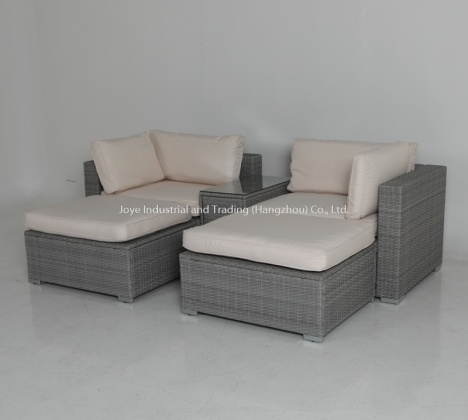
The Gnesta 5pcs Rattan Lounge Set uses thick PE rattan with a steel frame and powder coating. It stands up well to water. Made with all-weather PE rattan wicker and a solid steel frame, this yard lounge set is tough and firm.
What Role Does Material Density Play in UV Resistance?
Sun rays can wear down many materials as time goes on. They cause color loss, breaks, or stiffness. Thick fake materials and metals do better in long sun time.
UV Stability of High-Density Synthetic Fibers
Thicker fake rattan includes helpers that stop sun damage. Weaving uses sun-proof and mold-proof PE rattan, HDPE rattan, and top synthetic fibers. These hold their color and feel much longer than thinner ones.
Surface Degradation Prevention from Sunlight Exposure
Thick layers like powder-coating make a good shield against sun harm. This stops outer bits from peeling or changing color. It works even after many hours in the sun.
Performance of JoyeLeisure’s Milton Balcony Set Under UV Stress
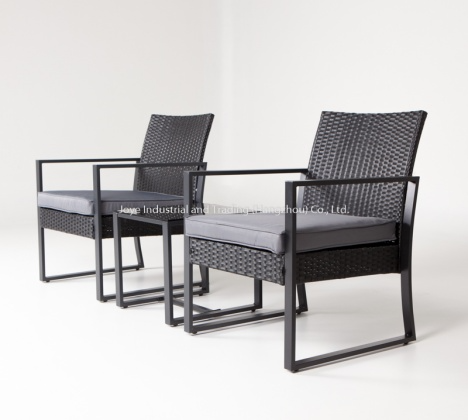
The Milton Steel Frame Rattan 3pcs Balcony Set has sun-safe PE rattan around a powder-coated steel frame. Built from quality rattan and a sturdy steel frame, it lasts well outdoors.
How Does Density Enhance Wind Resistance in Outdoor Furniture?
How heavy something is matters a lot for holding against wind. Light items can tip in strong gusts. They need ties or weights to stay put.
Increased Weight for Stability During Strong Winds
Thick materials weigh more on their own. This helps keep the base steady. You do not need extra parts or ties. It is handy for spots like balconies or roof tops.
Structural Cohesion of Dense Frames and Joints
Tight material makeup allows for firmer connections and less bending. This makes hardware fit better. The whole thing stays solid in changing wind.
Wind Performance of JoyeLeisure’s Steel-Based Bistro Set
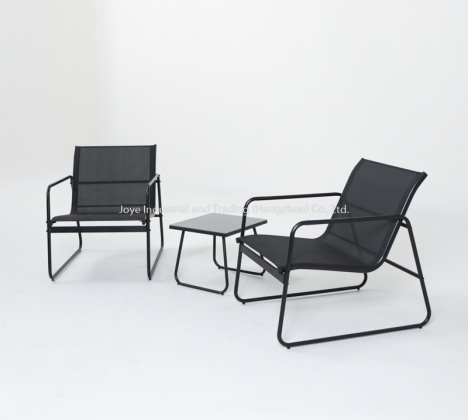
The Centola 3pcs Steel Textilene Bistro Set blends a thick steel frame with pulled-tight Textilene cloth. It gives great hold against wind. The bistro set uses only a steel frame with black coating. This makes it safe from rust and long-lasting.
In What Ways Does Material Density Influence Thermal Expansion?
Changes in heat make many materials grow and shrink. Thick materials act more steady under heat pressure.
Reduced Dimensional Changes Due to Temperature Fluctuations
Thick materials change size less in warmth. They keep parts like screws, joins, or flat pieces in line.
Lower Risk of Cracking or Warping from Heat Exposure
Steady heat setups stop bending or join shifts in hot times. This keeps how it works and looks good.
Application in JoyeLeisure’s Powder-Coated Steel Frames
Items like Centola use thick powder-coated steel. It fights twisting from heat well.
How Do Different Materials Compare in Terms of Density and Weather Resistance?
Each type of material in yard furniture has its own good points. Some shine in bending, others in staying stiff.
Comparison Between PE Rattan, Textilene Fabric, and Steel Frames
PE rattan brings good thickness with bend. Textilene is light but holds pull well. Steel gives stiff thickness and weight support. Pick based on the spot, like sunny yards or windy decks. This helps get the best results.
Pros and Cons of High-Density vs Low-Density Materials Outdoors
Thick materials last longer and stay put better. But they can feel heavy and tough to shift. Thin ones are easy to move. Yet they might wear out quicker in bad weather.
Integration of Multiple Materials in JoyeLeisure’s Designs for Balanced Performance
JoyeLeisure mixes thick steel with air-flow cloths or fake rattan. This boosts weather hold across their items.
What Should Experts Consider When Recommending Weatherproof Garden Furniture?
When giving advice to buyers or picking stock, think about factors tied to material thickness.
Evaluation Criteria Based on Climate and Usage
A spot near the sea needs fight against rust. A bright yard calls for sun hold. Windy high places gain from heavier items. Match thickness to what the weather brings.
Manufacturer Quality Standards and Product Engineering
Updates equipment and technology: Invest in automated and precise processing equipment (such as CNC pipe benders, laser cutting machines, and automatic welding robots), and adopt advanced technologies (such as powder electrostatic spraying). These steps make sure thick material work stays even and good.
Professional Standards for Outdoor Durability
With smart material picks, stronger frames, and tests against weather, JoyeLeisure items give sure results. They suit picky shoppers well.
FAQ
Q1: What makes dense materials more weather-resistant than lightweight ones?
A: Dense materials are less porous, resist water absorption, deform less under heat, and offer better structural integrity under wind stress.
Q2: Are all synthetic rattans equally durable?
A: No, only high-density PE rattan with UV stabilization offers long-term performance outdoors without fading or cracking.
Q3: Can dense steel frames rust over time?
A: Not if they’re coated properly. Powder-coated steel is rust-resistant and ideal for humid or coastal environments.
Q4: Is dense furniture always heavier and harder to move?
A: Yes, but this added weight improves stability during windy conditions—a tradeoff worth considering for open areas.