
What Is the Most Durable Gazebo?
A durable winter gazebo needs a structure, roof, and anchoring system suited to local snow and wind conditions. For a permanent installation, start with a hardtop design that has documented structural ratings. Frame material, corrosion protection, and maintenance access also affect how the gazebo holds up.
The best gazebo for winter depends on your location and intended use. A sheltered patio with occasional frost has different requirements from an exposed garden with heavy snowfall. Before choosing a model, confirm its load ratings, installation requirements, and winter-use restrictions.
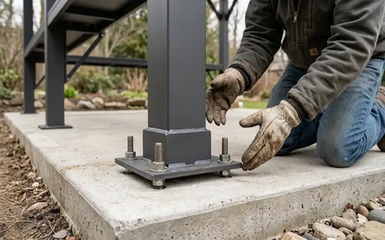
img.Metal gazebo post base with anchor bolts securing the frame to a concrete foundation.webp
What Makes a Gazebo Suitable for Winter?
Winter suitability starts with a defined use. Decide whether the gazebo must remain standing through winter, carry accumulated snow, or provide shelter while people use it. Each requirement needs confirmation for the specific model.
A permanent structure requires a documented load path. Roof panels transfer forces through beams, posts, connections, and anchors into the foundation. Every part of that system must suit the installation conditions.
Check these details when reviewing gazebo options:
Snow-load and wind-resistance documentation for the exact size.
Required anchors, foundations, and installation method.
Instructions for snow removal and seasonal maintenance.
Approved configurations for curtains, screens, and sidewalls.
Warranty exclusions that affect winter exposure.
Terms such as “heavy duty” and “all season” need supporting specifications. If structural ratings are unavailable, suitability for accumulated snow requires review before purchase.
Which Gazebo Materials Suit Winter Conditions?
Steel, aluminium, and timber can each form a winter gazebo when the complete design meets the site’s requirements. Evaluate the frame and roof separately. A steel frame can support a fabric canopy or a rigid roof, and those assemblies require different checks.
|
Component |
What to examine |
Maintenance priority |
|---|---|---|
|
Steel frame |
Member dimensions, joints, protective coating, and rated configuration |
Inspect coating damage and corrosion at connections |
|
Aluminium frame |
Profile dimensions, bracing, connectors, and load documentation |
Check fasteners and contact points between different metals |
|
Timber frame |
Species, treatment, structural grading, and connection details |
Follow the specified moisture protection and inspection schedule |
|
Metal roof |
Panel specification, supports, fixings, and drainage |
Inspect fasteners, damaged finishes, and blocked outlets |
|
Polycarbonate roof |
Panel grade, support spacing, fixing system, and temperature limits |
Follow cleaning instructions and check seals |
Material names provide a starting point. The specified member sizes, connections, and protective finishes determine how each material performs in the assembly.
For coastal sites, ask about corrosion protection for fasteners and exposed edges. In shaded, damp gardens, inspect drainage around post bases. Choose a finish you can maintain with the access and equipment available.
What Snow-Load and Wind Information Should You Check?
Ask for ratings tied to the exact model, dimensions, and installation configuration. A figure taken from another size needs separate confirmation.
Snow-load information should identify the units, loading assumptions, and supporting calculation or test basis. Ask whether the figure represents a roof design load or another measure. Ground snow load and roof snow load require interpretation under the applicable local design rules.
Snow depth alone cannot establish roof loading. Snow density changes with moisture, compaction, and thawing. Uneven accumulation can also affect the structure. A location near a taller building requires review for drifting or snow sliding from the adjacent roof.
Wind information needs similar context. Confirm the wind-speed units, gust definition, exposure assumptions, anchoring, and sidewall configuration. A published speed applies only within its stated conditions.
Give the supplier your installation location and site photographs. Where local approval or engineering assessment is required, have a qualified professional compare the product documentation with the site requirements. Keep that review with the installation records.
How Do Roofing and Anchoring Affect Durability?
The roof must carry its specified loads and drain water through the intended outlets. Review panel supports, roof joints, gutters, and the route water takes away from the posts.
A sloping roof can help shed precipitation. Snow shedding depends on roof geometry, surface conditions, and weather. Confirm the manufacturer’s snow-management instructions for the selected design. Keep entrances and seating clear of potential falling snow or ice.
Anchoring transfers wind forces into the supporting base. Concrete slabs, timber decks, and separate footings each need an appropriate connection detail. A deck installation requires confirmation that the deck structure can carry the gazebo’s loads.
Specify anchor type, embedment, edge distances, and foundation dimensions through the installation design. Ballast bags require explicit manufacturer approval for the intended conditions. Frost conditions may also affect foundation design. Final anchoring details require review when the base or ground conditions are uncertain.
Can You Leave a Gazebo Up All Winter?
You can leave a gazebo assembled when its instructions permit winter exposure and the installation meets the documented requirements. Follow the specified weather limits and snow-removal procedures.
For a fabric canopy, confirm when the roof and sidewalls must be removed. JoyeLeisure’s pop-up gazebo with sidewalls has a 3 × 3 m format, an aluminium-and-steel frame with outdoor powder coating, and polyester fabric. A documented snow-load rating must be obtained before considering it for snow accumulation.
Use a seasonal inspection routine:
Check connectors, bracing, and anchors before winter.
Clear drainage outlets and inspect roof joints.
Remove or secure accessories as instructed.
Follow the prescribed snow-management schedule.
Inspect the structure after severe weather, once conditions are safe.
Keep people clear of a structure showing distortion, loose connections, or damaged roof panels. Arrange an assessment before further use. Snow removal should follow the manufacturer’s method; access beneath a potentially overloaded roof requires particular caution.
What Should a Winter Gazebo RFQ Include?
A useful request for quotation gives the supplier enough information to assess the model and identify missing design inputs. Include the installation location, intended season of use, and available foundation details.
|
RFQ item |
Information to request or provide |
|---|---|
|
Site |
Location, exposure, nearby buildings, and photographs |
|
Dimensions |
Footprint, roof height, and required clear opening |
|
Winter loads |
Applicable snow and wind requirements for review |
|
Structural evidence |
Model-specific calculations, test reports, and stated limitations |
|
Frame and roof |
Material specifications, finishes, connections, and panel supports |
|
Foundation |
Base type, anchor schedule, and foundation drawing |
|
Enclosure |
Approved curtains, screens, and sidewall configurations |
|
Maintenance |
Inspection intervals, snow-removal instructions, and seasonal storage |
|
Supply scope |
Delivery, assembly responsibilities, warranty terms, and spare parts |
Ask the supplier to identify unresolved items in writing. Confirm that the quotation, drawings, and technical documents all refer to the same model and configuration. Obtain clarification before placing the order when winter suitability remains uncertain.
What Should You Confirm With JoyeLeisure?
JoyeLeisure offers gazebo products within its outdoor shading range. For a winter project, send the intended location and load requirements with your enquiry. Ask whether a proposed model has supporting structural documentation and approval for the intended winter conditions.
JoyeLeisure provides order-specific spare parts through its after-sales support. Confirm which gazebo components are available, their compatibility, and the process for ordering replacements.
Request the installation instructions and warranty exclusions before ordering. Match the product to the conditions you have documented for the site.
FAQ
Can a Hardtop Gazebo Stay Outside During Snowfall?
It depends on the model’s snow rating, installation, and maintenance instructions. Confirm the permitted conditions and snow-removal requirements before leaving it exposed.
How Much Snow Can a Gazebo Roof Hold?
Use the documented load rating for the exact assembly. Snow depth varies in weight, so a universal depth limit is unsuitable. Ask how the rating applies to local conditions.
Does Adding Sidewalls Affect Wind Resistance?
Sidewalls change wind loading on the structure. Ask whether the rated configuration includes them and follow the manufacturer’s instructions for opening or removing them during adverse weather.
Can a Pop-Up Gazebo Be Used in Winter?
Use depends on its weather limits and operating instructions. Obtain explicit confirmation of snow suitability before exposing a pop-up canopy to accumulation. Plan for timely dismantling when required.
Does a Winter Gazebo Need a Concrete Foundation?
The foundation depends on the design and site. Some installations use engineered footings or a structurally verified deck. Follow the approved anchoring details and local requirements when selecting the best gazebo for winter.